How Long Does a Roof Last? By Material, Climate, and Whether You Maintain It
Actual lifespans for asphalt, metal, tile, wood, and slate roofs — and why warranties don't tell the real story.
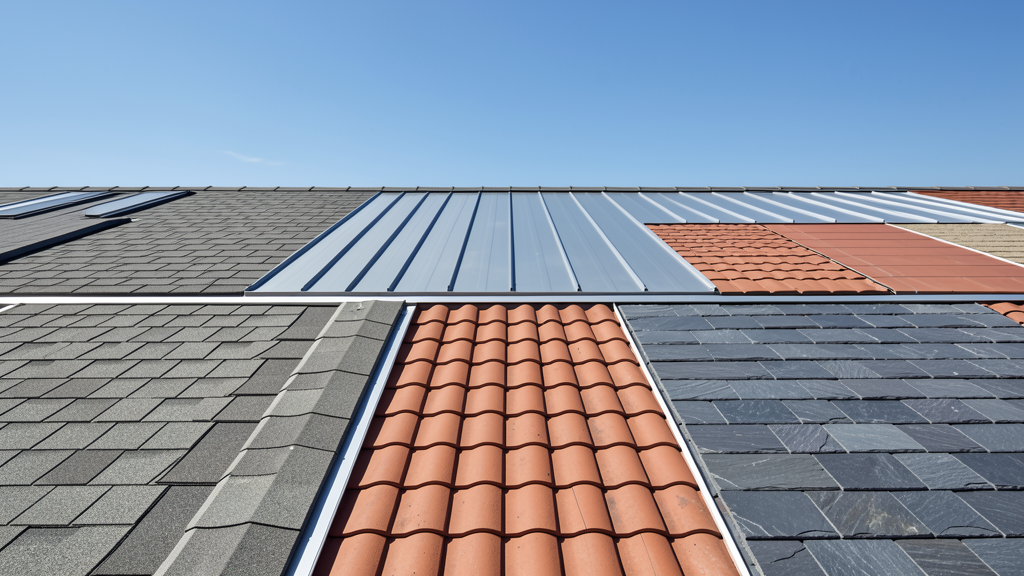
The honest answer: it depends on what it’s made of, where you live, and whether you’ve done any maintenance. Manufacturer warranties make it sound like roofing is simple math — 25 years, 50 years, “lifetime.” In practice, actual lifespans vary by a decade or more depending on conditions.
Here’s what most homeowners actually experience, by material.
Asphalt shingles
The most common roofing material in the U.S. Asphalt shingles come in three varieties, and lifespans vary meaningfully between them.
| Type | Warranty | Typical actual lifespan |
|---|---|---|
| 3-tab | 20–25 years | 15–20 years |
| Architectural | 30–50 years | 22–30 years |
| Luxury/designer | 50 years | 30–40 years |
The gap between warranty and reality exists because warranties are pro-rated marketing documents with significant fine print. A “50-year” architectural shingle rarely reaches 50 in actual conditions.
What shortens asphalt roof life:
- Poor attic ventilation. Heat trapped under the roof bakes shingles from below.
- Steep temperature swings. Freeze-thaw cycles cause expansion and contraction.
- Moss and algae. Moisture retention accelerates granule loss.
- Low-slope installation. Water drains slower, increasing wear.
Metal roofing
Standing seam and metal shingles generally outlast asphalt by a wide margin.
| Material | Typical lifespan | Common failure mode |
|---|---|---|
| Galvanized steel | 40–60 years | Rust at cut edges or fasteners |
| Aluminum | 50–70 years | Paint/chalking, denting from hail |
| Copper | 70–100+ years | Patina, theft for scrap value |
| Zinc | 80–100 years | Self-healing patina, very durable |
Metal roofs don’t “wear out” the way asphalt does. The failure points are fasteners, sealants, and occasional panel damage from impact. A well-installed metal roof often needs its fasteners and flashing replaced at year 30–40, but the panels themselves can last much longer.
What shortens metal roof life:
- Dissimilar metal contact. Copper touching steel causes galvanic corrosion.
- Poor fastening. Screws that are over-tightened or under-tightened leak prematurely.
- Inadequate underlayment. The metal isn’t the weak point. The water barrier underneath is.
Clay and concrete tile
Tile roofs are common in warm, dry climates and among homeowners seeking a premium aesthetic.
| Material | Typical lifespan | Limiting factor |
|---|---|---|
| Clay tile | 50–100 years | Brittle — cracks from impact or foot traffic |
| Concrete tile | 40–60 years | Surface erosion, pigment fading |
Here’s the distinction: the tiles themselves last a very long time. What’s underneath them (the underlayment, battens, and flashing) typically fails first at 20–30 years. A tile roof replacement often means lifting all the tiles, replacing the underlayment, and reinstalling them.
What shortens tile roof life:
- Walking on tiles. Even experienced roofers crack tiles during repairs.
- Freeze-thaw. Water that seeps into small cracks expands when frozen.
- Trees overhanging the roof. Falling branches crack tiles easily.
Wood shake and shingle
Cedar shakes and shingles offer a distinctive look but require the most maintenance of any common material.
| Material | Typical lifespan | Maintenance requirement |
|---|---|---|
| Cedar shake | 20–35 years | Treat every 2–4 years, clean debris annually |
| Cedar shingle | 25–40 years | Treat every 3–5 years |
Wood roofs fail from moisture accumulation, rot, and insect damage. They’re also increasingly restricted in fire-prone areas. Many California and Colorado jurisdictions have banned new wood shake installations because of wildfire risk.
What shortens wood roof life:
- Shade and humidity. Moisture is the enemy of wood roofs.
- No treatment. Untreated cedar turns gray and deteriorates within a decade.
- Leaf accumulation. Organic matter holds moisture against the wood.
Slate
Slate is the longest-lasting residential roofing material. When it’s real slate from a quality quarry.
| Material | Typical lifespan | Weight consideration |
|---|---|---|
| Natural slate | 75–150 years | 800–1,200 lbs per square (very heavy) |
| Synthetic slate | 30–50 years | Much lighter, asphalt or rubber composite |
The challenge with slate is installation expertise. Very few roofers know how to install and repair it properly. A slate roof installed by a generalist often fails at the flashing and fastening points within 20 years, not because the slate failed but because the installation did.
What climate does to lifespan
Your zip code changes the math. Here’s how the same roof performs in different environments.
| Climate | Asphalt impact | Metal impact | Tile impact |
|---|---|---|---|
| Hot, dry (Phoenix, Vegas) | Faster UV degradation; 10–15% shorter | Minimal impact; may expand/contract more | Neutral to positive |
| Humid subtropical (Florida, Gulf Coast) | Algae and moss reduce lifespan | Coastal salt accelerates fastener corrosion | Mold/moss in shaded areas |
| Cold, snowy (Minnesota, Maine) | Freeze-thaw shortens life | Ice dams test flashing; otherwise durable | Freeze-thaw cracks tile |
| Moderate (Pacific Northwest) | 20% longer lifespan with good ventilation | Long-lasting | Neutral |
The maintenance factor
A roof that gets inspected and maintained lasts significantly longer than one that doesn’t. Here’s the difference maintenance makes:
| Material | Neglected lifespan | Maintained lifespan |
|---|---|---|
| Asphalt | -20% shorter | Baseline |
| Metal | -15% shorter | +10–15% longer |
| Tile | -10% shorter (underlayment fails) | +20% longer (underlayment replaced on time) |
| Wood | -40% shorter | Baseline |
| Slate | -30% shorter (flashings fail) | +50% longer |
Annual maintenance items:
- Clean gutters in spring and fall
- Remove moss and debris accumulation
- Inspect flashing after major storms
- Check attic ventilation seasonally
How to know when “typical lifespan” doesn’t apply to you
A roof can fail early for reasons unrelated to material:
- Installation errors. Nails placed too high, insufficient fasteners, or improper valley construction.
- Structural movement. Settling foundations, inadequate rafter sizing, or poorly attached decking.
- Ventilation failure. An attic that hits 140°F in summer ages shingles from below.
- Manufacturing defect. Rare, but batch defects occur. Keep your receipts and warranty paperwork.
The bottom line
A roof doesn’t expire like milk. It degrades on a curve. Some 20-year-old roofs look brand new; some 12-year-old roofs are failing. The material sets the range, but installation quality, climate, and maintenance determine where in that range you land.
If your roof is approaching the lower end of its expected range and you haven’t maintained it, plan for inspection. If you’ve been pro-active, you may have years left even if the warranty has expired.
For a deeper comparison of specific materials, see our guide to [best roofing materials compared](/blog/best-roofing-materials-compared).
Frequently asked questions
Can a roof last longer than its warranty?
Yes. Warranties are conservative marketing numbers. Well-maintained roofs of any material often exceed warranty periods. Warranties mostly protect against manufacturing defects, not predict lifespan.
Is it worth paying more for a 50-year shingle over a 25-year shingle?
For architectural shingles, the upgrade from 25-year to 50-year is usually $15–25 per square. It buys better asphalt quality, thicker mats, and longer non-prorated periods. Whether it’s “worth it” depends on how long you plan to stay. Most 50-year shingles deliver 28–35 actual years.
How do I know when my roof has reached the end of its life?
Curling shingles, widespread granule loss, visible bald spots, and multiple repaired areas are signs. If you’re finding new leaks every year, the roof is telling you it’s done.
Does painting or coating my roof extend its life?
Sometimes, but carefully. Reflective coatings on flat or low-slope roofs reduce heat absorption. But on asphalt shingles, DIY coatings often void warranties and trap moisture. Consult a professional before applying anything.
Should I replace my roof before selling my house?
If the roof is visibly aged or has active issues, yes. Buyers negotiate around roof condition. A new or recently replaced roof removes a major objection. If the roof has 8+ years of life left, disclose the age honestly and let the buyer decide.