Roof Replacement Cost: What Homeowners Actually Pay
Current roofing pricing from across the U.S. broken down by material, roof size, complexity, and region. No sales pitch, just realistic budget numbers.
Articles on this site may include sponsored content. If they do, it's labeled clearly - and it still has to answer a real homeowner question. Same bar as everything else here.
Roof Replacement Cost Guide for Homeowners
A new roof is one of the biggest single expenses a homeowner faces. In 2026, most U.S. homeowners are paying between $9,500 and $18,000 for a standard asphalt shingle replacement. But “most” hides a wide spread. A simple ranch in rural Alabama might run $6,500. A steep, complex roof with standing seam metal in San Francisco could push $55,000.
This guide covers what drives that range - material choice, roof size, pitch, location, and the hidden costs that show up after tear-off. Use it to understand any estimate you receive, spot red flags, and budget realistically.
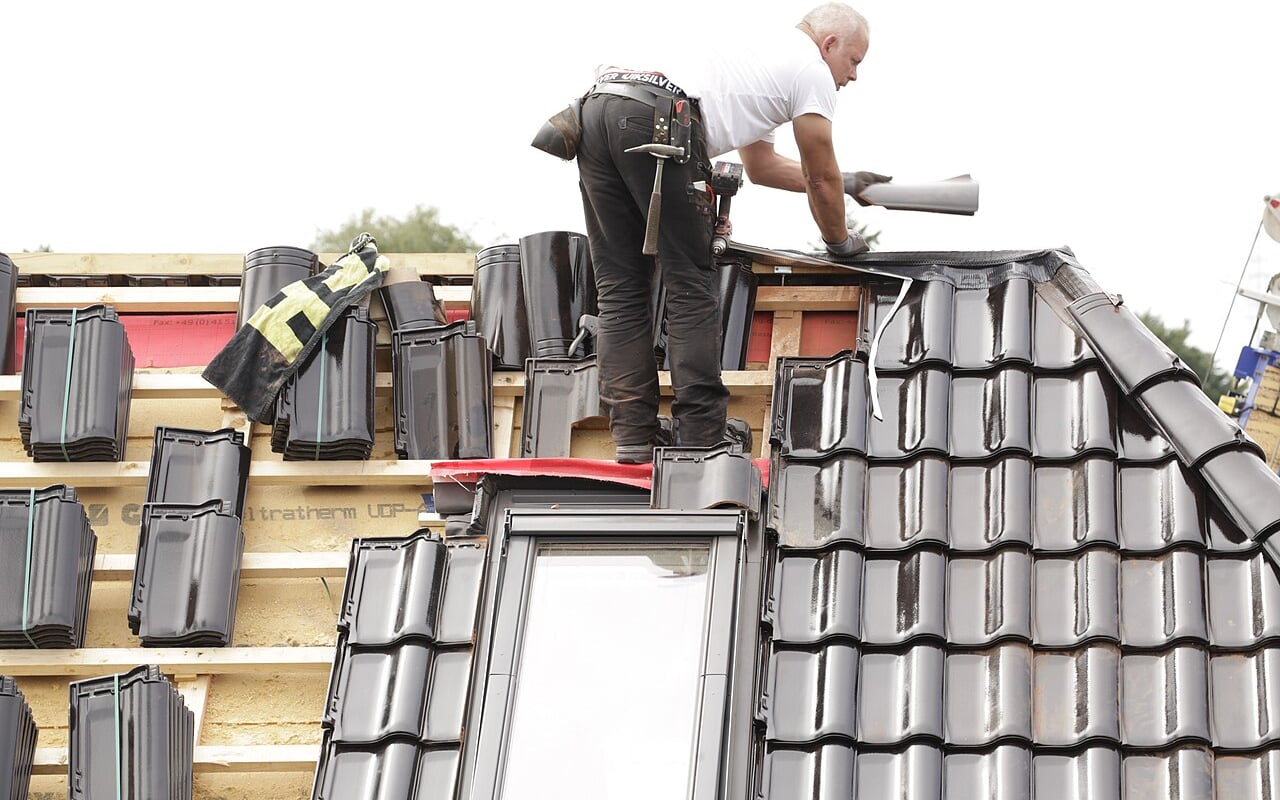
Safety first: Roof replacement is dangerous work. Falls account for one in three construction fatalities in the U.S., and most happen on residential roofs. Never walk on a steep or wet roof to “check” something yourself. If you need an assessment, hire a licensed contractor or a home inspector who carries the right safety gear and insurance. Your life is worth more than the cost of a service call.
How roof size determines your base price
Roofing is priced in “squares.” One square = 100 square feet of roof surface. A 2,000-square-foot house typically has a roof between 22 and 28 squares because the roof extends past exterior walls and the pitch adds surface area.
| Home footprint | Roof area (approx.) | Asphalt range | Metal range | Tile range |
|---|---|---|---|---|
| 1,200 sq ft | 14-18 squares | $6,500-$11,000 | $15,000-$26,000 | $13,000-$24,000 |
| 1,600 sq ft | 18-24 squares | $8,000-$14,000 | $19,000-$35,000 | $17,000-$30,000 |
| 2,000 sq ft | 22-28 squares | $9,500-$17,000 | $24,000-$44,000 | $20,000-$38,000 |
| 2,500 sq ft | 28-34 squares | $12,000-$22,000 | $30,000-$55,000 | $25,000-$46,000 |
| 3,000 sq ft | 34-42 squares | $14,500-$26,000 | $36,000-$66,000 | $30,000-$55,000 |
Ranges include full tear-off, disposal, underlayment, labor, flashing, and standard ventilation. Low end assumes a simple gable roof with standard architectural shingles in a low-cost market. High end assumes steep pitch, complex geometry, and premium materials in a high-cost metro.
Why roof area differs from your floor plan
Your home’s footprint is the floor plan. Roof area is always larger because:
- Overhangs and eaves extend 1-2 feet past exterior walls
- Pitch multiplies surface area - steeper roofs have more square footage of roofing
- Dormers, valleys, and hips add cuts, waste, and surface area
A 2,000 sq ft ranch with a low 4/12 pitch and eaves might have a 22-square roof. The same footprint with a steep 10/12 pitch, two dormers, and multiple valleys could push 32 squares. Same floor plan, 45% more roof surface.
Material cost breakdown for 2026
Material choice makes the biggest swing in total price. If you are still choosing between products, start with the best roofing materials comparison before you price a specific system. Here’s what each option actually costs installed.
Asphalt shingles (2026 pricing)
Asphalt remains the default for 80% of U.S. homes because it’s affordable and any roofer can install it. If you are comparing shingle grades, the types of roofing shingles guide explains the trade-offs before you pay for an upgrade.
| Component | Low | Mid | High |
|---|---|---|---|
| 3-tab shingles per square | $90-$110 | $110-$140 | $140-$170 |
| Architectural shingles per square | $120-$150 | $150-$200 | $200-$250 |
| Luxury/designer shingles per square | $190-$240 | $240-$310 | $310-$380 |
| Labor per square | $220-$330 | $330-$480 | $480-$650 |
| Tear-off and disposal per square | $110-$170 | $170-$240 | $240-$330 |
Most mid-range homes with architectural shingles land between $9,500 and $15,000 total. That’s up roughly 5-8% from 2025, driven by material cost increases and continued labor shortages in many markets.
Metal roofing (2026 pricing)
Metal costs 2-3x asphalt upfront but lasts 2-3x longer. Standing seam is the premium option; metal shingles and corrugated panels are lower-cost alternatives. The metal roof vs asphalt shingles comparison is worth reading before you treat metal as automatically better.
| Component | Low | Mid | High |
|---|---|---|---|
| Galvanized steel panels per square | $330-$480 | $480-$700 | $700-$950 |
| Aluminum panels per square | $380-$530 | $530-$750 | $750-$1,000 |
| Standing seam labor per square | $380-$550 | $550-$750 | $750-$950 |
| Accessories (fasteners, trim, closures) | $18-$28/sq | $28-$45/sq | $45-$65/sq |
Metal roof totals for a standard 2,000 sq ft home run $24,000-$44,000. Complex installations with standing seam can hit $50,000+. The steel market softened slightly in early 2026, so metal pricing is a few percent below its 2024 peak.
Clay and concrete tile (2026 pricing)
Tile is common in the Southwest, Florida, and upscale coastal markets. It lasts 50+ years but requires structural verification.
| Component | Low | Mid | High |
|---|---|---|---|
| Concrete tiles per square | $280-$440 | $440-$650 | $650-$920 |
| Clay tiles per square | $380-$600 | $600-$880 | $880-$1,200 |
| Labor per square | $280-$440 | $440-$650 | $650-$880 |
| Structural reinforcement (if needed) | $2,500-$5,500 | $5,500-$11,000 | $11,000+ |
If your home wasn’t originally designed for tile, budget an extra $3,500-$9,000 for structural reinforcement. A 2,000 sq ft tile roof runs $20,000-$38,000 installed. Add reinforcement and you’re looking at $25,000-$47,000.
The hidden costs that inflate your final bill
Every estimate should itemize these. If a contractor gives you a single lump-sum number with no breakdown, that’s a red flag.
| Item | Typical cost | When it’s needed |
|---|---|---|
| Decking replacement | $80-$160 per 4x8 sheet | Rot, delamination, or water damage found during tear-off |
| Structural reinforcement | $2,500-$11,000+ | Switching to heavier material (tile, slate, standing seam) |
| Chimney flashing replacement | $500-$1,800 | Old flashing damaged, corroded, or inaccessible |
| Ventilation system upgrade | $400-$900 | Adding ridge vents, soffit vents, or attic fans |
| Skylight replacement | $900-$2,800 | Leaking, cracked, or outdated skylights |
| Gutter replacement | $7-$14 per linear foot | Damaged during tear-off or nearing end of life |
| Permit fees | $100-$600 | Varies by jurisdiction |
| Solar panel removal/reinstall | $500-$2,500 | Required before roof work can start |
Decking replacement is the most common surprise. When the old shingles come off, the plywood underneath may be rotted in spots. Plan on replacing 5-15% of your decking. That’s roughly $400-$2,400 on a typical home.
Regional cost variance for 2026
Where you live matters as much as what you choose. Here’s how 2026 pricing shakes out by region:
| Region | Cost factor vs. national average | Why |
|---|---|---|
| San Francisco / Bay Area | +45-65% | Highest labor rates in the country, seismic requirements, strict building codes |
| Los Angeles / Southern CA | +25-40% | High labor, wildfire code upgrades, large metro premiums |
| Seattle / Portland | +20-30% | Wet climate demands ice/water shield, steep designs common, high labor |
| Chicago / Midwest | Baseline | Standard market with competitive contractor density |
| Dallas / Houston | -5-10% | Lower labor costs, competitive market, simpler rooflines |
| Miami / South Florida | +30-45% | Stringent wind codes, hurricane straps, impact-resistant requirements |
| Phoenix / Southwest | -10-15% | Lower labor, simple roof designs, mild climate |
| Boston / Northeast | +20-35% | High labor, historic district requirements, snow load codes |
| Rural Midwest / South | -15-25% | Lowest labor rates, less code complexity, lower overhead |
Supply chain note for 2026: Material availability has largely stabilized after the post-pandemic disruptions. Asphalt shingles, underlayment, and common metal panels are readily available in most markets. Specialty materials like imported slate, copper, or custom-color standing seam may still have 4-8 week lead times.
How pitch and complexity change price
Roof geometry is the second-biggest cost driver (after material). Here’s what different factors add:
| Factor | Price impact | Why |
|---|---|---|
| 4/12 to 6/12 pitch | Baseline | Standard walkability, no special equipment |
| 7/12 to 9/12 pitch | +10-20% | Slower work pace, safety harnesses required |
| 10/12+ pitch | +25-50% | Specialized crews, staging, roof jacks, OSHA compliance |
| Multiple valleys | +5-15% | More flashing, more cuts, higher leak risk if done wrong |
| Dormers | +5-10% | Extra flashing, wall transitions, detail work |
| Two-story home | +10-20% | Material handling takes longer, more setup for fall protection |
| Steep site access | +5-15% | Crane rental or conveyor system may be needed |
Safety matters here: Roofs steeper than 7/12 require OSHA-compliant fall protection. That means harnesses, anchor points, and often scaffolding. If your contractor bids a steep roof without a line item for safety equipment, ask about it. Legitimate crews carry $2,000-$5,000 per job in safety-related costs. A low bid on a steep roof usually means corners are being cut on safety.
Insurance-covered replacements
If your roof was damaged by hail, wind, or a fallen tree, insurance changes the financial picture. Use the homeowners insurance roof replacement guide to separate covered storm damage from age-related wear.
What insurance pays:
- Replacement Cost Value (RCV): The full cost to replace with like-kind materials. Most newer roofs (under 15-20 years) are covered under RCV policies.
- Actual Cash Value (ACV): The depreciated value at time of loss. If your roof is 18 years old on a 25-year asphalt shingle, the insurance payout is roughly 28% of replacement cost.
What insurance doesn’t cover:
- Your deductible ($1,000-$3,000 typical)
- Code upgrades beyond what existed (e.g., upgrading from standard to impact-resistant when not required by code)
- Betterments (choosing architectural shingles when 3-tab was what was there)
A warning: Many policies switch from RCV to ACV at year 15 or 20 for asphalt shingles. If your roof is approaching that threshold and you live in a hail-prone area, read your policy before storm season hits.
The cost-per-year lens
Upfront cost is one number. Cost per year is the number that actually matters for your decision.
| Material | Typical upfront (2,000 sq ft) | Replacements in 30 years | 30-year total | Cost per year |
|---|---|---|---|---|
| 3-tab asphalt | $8,500 | 2 (years 15, 30) | $22,000+ | ~$733/year |
| Architectural asphalt | $12,500 | 1 (year 25) | $17,500+ | ~$583/year |
| Standing seam metal | $30,000 | 0 | $33,000 (with maintenance) | ~$1,100/year for first 30, then ~$0 |
| Clay tile | $28,000 | Underlayment at year 25 | $38,000 | ~$1,267/year average |
Metal is expensive today but becomes the cheapest option if you own the home for 25+ years. Asphalt is cheapest today but repeats. Tile sits in the middle.
If you’re selling within 7 years, buy asphalt. If you’re raising kids in the house and plan to stay, metal or tile usually wins on total cost.
How to estimate your own cost
Step 1: Find your roof area. Multiply your home’s footprint by a pitch factor:
- Flat or 2/12 pitch: 1.0x
- 4/12 pitch: 1.05x
- 6/12 pitch: 1.12x
- 8/12 pitch: 1.20x
- 10/12 pitch: 1.30x
- 12/12 pitch: 1.41x
Step 2: Add 10-15% for complexity. Valleys, dormers, hips, and odd shapes all add labor and waste. Simple gable? 10%. Complex multi-plane roof? 15%.
Step 3: Multiply by your material cost per square. Use the tables above.
Step 4: Add 10% contingency for decking surprises discovered during tear-off.
Example: 2,200 sq ft footprint, 6/12 pitch, architectural shingles in Chicago.
- Roof area: 2,200 × 1.12 = 2,464 sq ft = ~25 squares
- Material + labor: 25 × $480 = $12,000
- Tear-off + disposal: 25 × $200 = $5,000
- Complexity add (12%): ~$2,040
- Contingency (10%): ~$1,900
- Estimated range: $14,500-$18,500
Red flags in roofing estimates
A few warning signs that should make you get a second opinion. The questions to ask a roofer guide turns these into a call script before you sign:
- One lump sum with no breakdown. A reputable contractor itemizes materials, labor, tear-off, disposal, underlayment, and flashing.
- A “miscellaneous” line item over $1,000. There is no legitimate $3,000 mystery charge.
- 25%+ below all other bids. Someone is cutting scope, materials, or safety. Ask what they’re not including.
- Full payment required upfront. Standard is 10-20% down, with progress payments tied to milestones.
- No mention of fall protection or safety plan. This is especially important on roofs steeper than 7/12. A crew without safety gear is a lawsuit waiting to happen.
The bottom line
A roof replacement in 2026 costs more than it did two years ago - but material prices have stabilized, and the supply chain is healthy. Your total is driven by material choice more than any other single factor. Metal can cost 3x asphalt on the same house. That premium may pay off over 25 years, or it may be wasted if you sell in five.
If you are still deciding whether the roof is truly at replacement stage, compare the numbers here with the roof repair vs replacement guide before you commit to a full tear-off.
Get three itemized estimates. Budget 10-15% above the lowest quote for surprises. And remember: the cheapest bid is rarely the best value when you account for workmanship, safety, roof replacement warranty coverage, and how long the roof actually lasts.
For help reading the line items on your estimates, see our guide on how to read a roofing estimate.
Frequently asked questions
Is roof replacement tax deductible in 2026?
No for your primary residence. The IRS treats roof replacement as a home improvement, not a repair, so it’s not deductible. For rental properties, you depreciate the roof over 27.5 years. The Inflation Reduction Act offers tax credits for certain energy-efficient roofing materials (cool roofs, solar reflective shingles) - check with a tax professional on whether your specific material qualifies.
How much does roof safety gear add to the cost?
On a steep roof (8/12 or higher), expect $2,000-$5,000 in safety-related costs built into the bid. This includes harnesses, anchor points, staging, and OSHA-compliant fall protection. If a contractor quotes a steep roof without mentioning safety, ask directly. Cutting safety is one way low bidders keep their numbers down.
Can I stay in my house during a roof replacement?
Usually yes, but it won’t be comfortable. The noise from tear-off is loud enough to rattle pictures off walls. Vibration transfers through the entire structure. Plan on being gone during tear-off day and expect debris in your yard, dust in your attic, and the possibility of a power outage if the crew needs to disconnect meter feeds. If you have small children or work from home, arrange to be elsewhere for at least the first two days. For the day-by-day sequence, read the roof replacement timeline.
Should I get multiple estimates for an insurance claim?
Yes - and this is important. Insurance adjusters sometimes miss scope or undervalue damage. Get at least two contractor estimates and share them with your adjuster. Your contractor and the adjuster should agree on the scope before work starts. If they disagree, ask for a third-party mediation. And never sign a contractor’s “insurance claim estimate” before you’ve reviewed it with your agent.
Does a new roof lower homeowners insurance?
Sometimes. In hurricane and hail-prone areas, many carriers offer discounts of $100-$400/year for roofs with Class 4 impact resistance or wind ratings of 130+ mph. The discount varies significantly by carrier and state. Call your agent before you choose materials - a $200 annual discount for 20 years is worth $4,000, which can swing the material choice.
What is the cheapest month to replace a roof in 2026?
Late fall (November-December) and late winter (February) are typically the slowest months for roofers in most climates. Demand drops, and some contractors offer 5-10% discounts to keep crews working. The trade-off is weather risk - if rain or snow delays the job, your roof can be exposed for days. The roof replacement season guide walks through that timing trade-off in more detail. Spring (March-May) and early fall (September-October) are the busiest and most expensive seasons.
How often should I have my roof inspected?
Once a year, and after every major storm. A professional inspection costs $150-$400 and catches problems you can’t see from the ground. Use the roof inspection checklist to know what should be reviewed, and read what a roof inspection includes if you want the full walk-through. After a hailstorm or hurricane, schedule an inspection within two weeks - some insurance policies have time limits on filing claims for storm damage. And never climb onto a steep or damaged roof yourself. Falls are the number one cause of serious injury on residential properties. Let a professional with proper safety gear handle it.