What Is a Roof Inspection? What's Included and Checked
A clear, no-fluff explanation of what roof inspectors actually check, how long it takes, what you get in the report, typical costs, and when to schedule one.
Articles on this site may include sponsored content. If they do, it's labeled clearly - and it still has to answer a real homeowner question. Same bar as everything else here.
What Is a Roof Inspection? (And What’s Included)
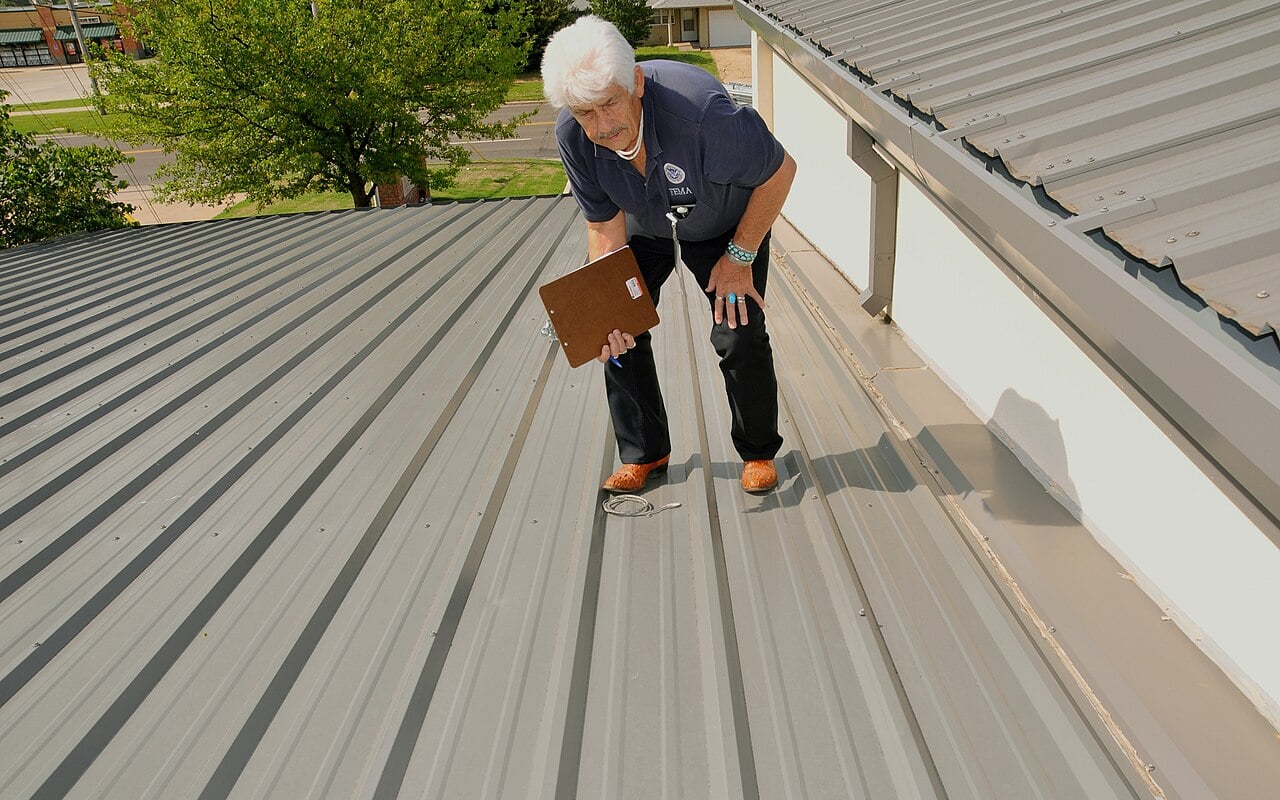
A roof inspection is a professional evaluation of your roof’s condition - materials, structure, and workmanship - from the attic up through the shingles. You hire someone to walk the roof, crawl the attic, check every seam and seal, and tell you what’s fine, what’s failing, and what’s going to fail next.
Here’s what you’re paying for: a systematic check of five areas - interior, exterior, structural, material, and workmanship. It takes 45 minutes to two hours on-site, plus another hour for the report. Cost runs $150-$400 for a standard residential roof, or free if a roofer is hunting for storm damage leads. If you want the DIY version before hiring someone, use the roof inspection checklist as a safer ground-and-attic pass.
If you’re buying a house, selling one, or trying to dodge a $15,000 surprise, this is what you need to know before you hand over your credit card.
The five things every good inspection covers
Professional inspectors work through categories. They don’t wander around squinting at shingles. Here’s exactly what they’re looking at.
1. Interior (attic) inspection
The attic tells the truth about your roof. Shingles can look perfect from the street while the deck rots underneath. The attic doesn’t lie.
Inspectors check for:
- Water staining or mold on rafters, decking, and insulation. Active leaks leave trails before they ever drip through your drywall.
- Ventilation. Blocked airflow cooks your roof from below in summer and traps moisture in winter. Both kill shingles faster than weather does.
- Insulation. Consistent depth means nobody’s been messing with it. Displaced insulation signals past leaks or critters.
- Daylight penetration. If you can see sky through the roof deck, you’ve got gaps that need immediate attention - not a “watch and wait.”
- Decking integrity. Soft or spongy spots between rafters mean waterlogged sheathing. That’s rot, and it needs replacement.
Reality check: Not every attic problem is a roof problem. A bathroom fan venting into the attic creates moisture damage that looks exactly like a leak. A good inspector knows the difference. A bad one will try to sell you a roof you don’t need.
2. Exterior (roof surface) inspection
This is what most people picture - someone walking around looking at shingles. It matters, but it’s only part of the picture.
Inspectors evaluate:
- Shingle or tile condition. Missing, cracked, curled, or buckled pieces. Granule loss exposing bare asphalt.
- Flashing. Let me say this clearly: failed flashing causes more leaks than failed shingles. Step flashing at walls, valley flashing, chimney counterflashing, pipe boots - this is where water gets in.
- Penetrations. Skylights, vents, chimneys, HVAC stacks. Every one is a hole in your roof that somebody sealed. Dried caulk and cracked rubber boots are the most common failure points.
- Gutters and drainage. Gutters should slope toward downspouts and discharge at least six feet from the foundation. Standing water or separation from fascia means trouble.
- Fascia, soffit, drip edge. Soft fascia means chronic gutter overflow. Missing drip edge lets water run behind gutters into the eaves.
3. Structural inspection
Your roof is a structural system, not just a skin. The inspector needs to know if the bones are sound.
They look for:
- Sagging ridgelines or valleys. A straight edge should sit flat. Sagging means something is overloaded - waterlogged decking, failed rafters, or foundation settling.
- Rafter and truss condition. Cracks, splits, or missing collar ties. Homeowners sometimes cut structural members for attic access. That’s dangerous.
- Nailing patterns. Proper fastening per code - typically 6d ring-shank nails at 6-inch intervals. Insufficient nailing is common on cheap re-roofs.
- Modifications. Solar panels added without engineering review. Previous owner “improvements” that compromised the structure.
Important: Some sagging is cosmetic, not structural. Truss uplift - ceiling drywall cracks near exterior walls in winter - is common in newer homes. It looks scary. It’s not a roof failure. A good inspector knows the difference.
4. Material inspection
Different roof materials fail in completely different ways.
| Material | Common defects | Typical lifespan |
|---|---|---|
| Asphalt shingles | Granule loss, curling, blistering, cracked tabs | 15-30 years |
| Metal roofing | Fastener seal failure, panel separation, rust at cut edges | 40-70 years |
| Clay/concrete tile | Cracked tiles, underlayment deterioration | Tiles 50-100 yrs; underlayment 20-30 yrs |
| Wood shake | Rot, insect damage, curling, splitting | 20-35 years |
| Slate | Broken slates, flashing condition | 75-150 years |
| Flat roof (TPO/EPDM/modified bitumen) | Seam failure, ponding water, UV degradation | 15-30 years |
One thing homeowners miss: material mismatches. If a section of shingles is newer than the rest, that tells a story. Past damage that wasn’t disclosed. A DIY repair that didn’t match. Either way, it’s a data point worth knowing before you buy.
If the inspection report calls out aging materials, compare the finding against roof lifespan by material before assuming the whole roof is done.
5. Workmanship inspection
The best shingles on the planet will leak if installed wrong.
Key checks:
- Nail placement. 4-6 nails per shingle, below the adhesive strip. Overdriven nails cut through. Underdriven ones don’t seal. Both are wrong.
- Valley construction. Most major leaks start here. Open and closed valleys each have specific nailing patterns. Sloppy valley work guarantees water intrusion.
- Starter strips. The first row needs a dedicated starter strip. Budget roofers skip this constantly, leaving roof edges vulnerable to wind uplift.
- Flashing details. Kickout flashing, step flashing laced into every shingle course, crickets behind chimneys. These are time-consuming details that get cut on cheap jobs.
- Prior repairs. Mismatched shingles, excessive caulk (caulk is not flashing), tar patches. Every amateur repair tells you the roof has been compromised before.
How long does it take?
45 minutes to two hours on-site, depending on roof size, pitch, and accessibility. Then another hour or two for the written report.
Red flag: If someone says they can inspect your roof in 15 minutes, they’re not doing an inspection. They’re doing a sales pitch. Walk away.
What the report should look like
A real report is not a text message saying “looks good.” It’s a document you can hand to an insurance adjuster, real estate agent, or contractor.
A proper report includes:
- Summary. Condition, age estimate, remaining useful life.
- Photo documentation. Timestamped images of every finding. No photo means it didn’t happen.
- Categorized findings:
- Urgent: Active leaks, exposed decking, structural sagging, safety hazards.
- Monitor: Early granule loss, minor moss, small flashing gaps - check in 6-12 months.
- Cosmetic: Discoloration or superficial issues that don’t affect function.
- Material and age assessment. Remaining lifespan based on observed condition.
- Recommended actions. Specific repairs, prioritized by urgency, with ballpark costs.
- Timeline. When to schedule the next inspection.
Heads up: Reports vary wildly. A one-page checklist from a home inspector and a 15-page document with 40 photos from a roofing specialist are not the same thing. Ask what you’re getting before you pay.
If the report lands in the gray zone, use roof repair vs. replacement to separate a real replacement case from a repairable problem.
What it costs
| Type of inspection | Typical cost | What you get |
|---|---|---|
| Ground-level visual | $0-$150 | Limited - better than nothing |
| Standard residential | $150-$400 | Full interior/exterior, photos, written report |
| Large/complex roof (4,000+ sq ft) | $400-$800 | Extended time, drone photos, detailed diagrams |
| Commercial or multi-unit | $500-$2,000+ | Specialized equipment, code compliance |
About “free” inspections: Roofing contractors offer free inspections after storms as lead generation. The inspector has a financial incentive to find damage - or at least make you worried enough to quote. A paid, independent inspection removes that conflict of interest. It’s $150-$400 for honest information.
When to schedule one
Before buying a home. A roof replacement runs $8,000-$25,000. Knowing the actual condition before closing lets you negotiate or walk away. The general home inspection isn’t enough here.
Before selling. A pre-listing inspection catches minor issues you can fix cheaply and gives you documentation to prevent last-minute haggling.
After major weather. Hail, high winds, ice storms, heavy snow. These damage roofs in ways you can’t see from the ground. Insurance claims have deadlines - typically 6-12 months. Start with the visible signs of roof damage so you know what to document before anyone gets on a ladder.
Every 2-3 years for maintenance. Even in calm weather, roofs age. Biennial inspections catch small problems before they become leaks. For a repeatable schedule, follow the how often to inspect your roof guide and the complete roof maintenance guide.
Before warranty expiration. Manufacturer warranties have windows. If there’s a defect, document it before the clock runs out.
When you see warning signs. Water stains, granules in gutters, lifted shingles, musty smells in top-floor rooms. If the issue looks active, compare it against the common roof leak signs before waiting it out.
When NOT to: You don’t need an inspection after every rainstorm. Unless you see visible damage or interior leaks, routine spring/fall checks are sufficient.
Home inspector vs. roofing contractor
These two services overlap but aren’t interchangeable.
| Factor | Home inspector | Roofing contractor |
|---|---|---|
| Scope | Whole house; roof is one section | Roof only, focused |
| Time on roof | 20-40 minutes | 45 minutes to 2+ hours |
| Access method | Ground, ladder, binoculars | Walks the roof surface |
| Expertise | Generalist | Specialist in failure modes and repair methods |
| Deliverable | Multi-page home report with roof summary | Detailed roof-only report with repair estimates |
| Cost | $300-$600 (whole house) | $150-$400 (roof only) |
| Conflict of interest | Minimal | Potential - may quote repairs they’d perform |
| Best for | Real estate transactions | Storm damage, maintenance, repair bidding |
Playbook for home buyers: The general home inspector flags concerns. If the roof is older than 15 years or the inspector notes anything questionable, hire a roofing specialist for a dedicated inspection. That $150-$400 is cheap insurance against a $15,000 surprise after closing.
If the specialist starts pitching repairs, slow the process down and use the roofing contractor hiring checklist plus questions to ask a roofer before signing anything.
What a roof inspection will NOT do
- No destructive testing. Inspectors don’t pull up shingles or cut into decking.
- No performance guarantee. The report describes current condition. It can’t predict next week’s hailstorm.
- No repairs. Inspection identifies problems. Fixing them is a separate invoice.
- Flat roofs need a specialist. A shingle inspector may not know TPO seams or EPDM adhesion. Hire a low-slope specialist.
- Drones are a supplement. They photograph hard-to-reach areas. They cannot check attic ventilation, decking softness, or nail placement. A “drone-only inspection” is half a report.
If inspection photos show material failure rather than isolated damage, compare your options in best roofing materials compared before replacing like-for-like.
FAQ
What is a roof inspection and do I really need one?
A roof inspection is a professional evaluation of your roof’s materials, structure, and workmanship. You need one before buying or selling a home, after a major storm, every 2-3 years for maintenance, and anytime you spot water stains, lifted shingles, or attic moisture.
What does a roof inspector actually check?
Five areas: attic (leaks, ventilation, decking), exterior surface (shingles, flashing, penetrations, gutters), structural framework (rafters, trusses, sagging), material condition (specific to your roof type), and workmanship (nailing, valley details, flashing quality). They photograph everything and provide a written report.
How much does a roof inspection cost?
$150-$400 for a standard residential roof. Large or complex roofs run $400-$800. Some roofers offer free inspections after storms - but those come with a sales pitch. An independent paid inspection removes that conflict.
How long does a roof inspection take?
45 minutes to two hours on-site, plus another hour or two for the written report. If someone says 15 minutes, they’re selling you something.
How often should I have my roof inspected?
Every 2-3 years for maintenance. Immediately after major hail or high winds. Before buying or selling a home. Before warranty periods expire. At the first sign of interior water damage.
Can a roof inspection find every problem?
No. Inspections are visual and non-destructive. Problems hiding under intact shingles, inside wall cavities, or in inaccessible areas may not show up until the roof is opened up during repairs. Good inspectors tell you what they can and can’t see.
What’s the difference between a home inspector and a roofing contractor?
Home inspectors are generalists who spend 20-40 minutes on the roof from the ground. Roofing contractors are specialists who walk the roof for 45 minutes to two hours and give you detailed repair estimates. For a home purchase, use both.
Frequently asked questions
How long does a roof inspection take?
45 minutes to two hours, depending on roof size and accessibility.
How much does a roof inspection cost?
$150-$400. Free if a contractor suspects storm damage - but read the fine print.
Should I get a roof inspection before buying a house?
Absolutely. A dedicated roofing inspection can uncover $10,000+ in hidden problems a general inspection won’t catch.
What is the difference between a home inspector and a roof inspector?
Home inspectors are generalists who cover the whole property. Roof inspectors are specialists who know roofing materials and failure modes inside out.
Will my insurance pay for a roof inspection?
Not for routine inspections. Insurance may cover a post-storm damage assessment if you file a claim, but the inspection itself typically isn’t reimbursed.