Roof Lifespan by Material: How Long Each Roof Lasts
Compare realistic roof lifespan by material, from asphalt and metal to tile, slate, wood, EPDM, and TPO, with cost and climate tradeoffs.
Articles on this site may include sponsored content. If they do, it's labeled clearly - and it still has to answer a real homeowner question. Same bar as everything else here.
Roof Lifespan by Material: How Long Each Roof Lasts
The material your roof is made of is the single biggest factor in how long it lasts - more than installation quality, more than climate, more than maintenance. And the gap between the shortest-lived and longest-lived materials is genuinely enormous.
A cheap 3-tab asphalt roof might give you 15 years. A standing seam metal roof will probably outlast your mortgage. A slate roof could outlast you.
But warranties don’t tell the real story. A “30-year” shingle is not a 30-year roof. A “lifetime” warranty doesn’t mean your lifetime. The real numbers are usually 20-40% lower than what’s printed on the brochure.
This guide cuts through that. Here’s what each material actually delivers, what it costs, and who it’s actually for.
If you’re still choosing between roof types, pair this with the broader best roofing materials comparison and the focused metal roof vs. asphalt shingles guide before you price a replacement.
Quick-reference lifespan table
| Material | Spec-sheet claim | What you actually get | Cost per square (installed) | Maintenance | Best climate |
|---|---|---|---|---|---|
| Asphalt 3-tab | 20-25 years | 15-20 years | $400-$650 | Moderate | Mild; dies fast in extreme heat |
| Architectural asphalt | 30-50 years | 22-30 years | $550-$900 | Moderate | Moderate; works most places |
| Standing seam metal | 30-50 years | 40-70 years | $1,100-$2,000 | Low | Anywhere; thrives in hot/windy |
| Metal shingles/shakes | 30-50 years | 35-50 years | $850-$1,400 | Low | Most climates |
| Stone-coated steel | 30-50 years | 40-60 years | $950-$1,600 | Low | Hot, humid, coastal |
| Clay tile | 50+ years | 50-100 years (tiles) | $850-$1,700 | Low tiles; high underlayment | Hot, dry; hates freeze-thaw |
| Concrete tile | 50+ years | 40-75 years (tiles) | $750-$1,500 | Low tiles; high underlayment | Hot, dry; hates freeze-thaw |
| Natural slate | 75+ years | 75-150 years | $1,800-$3,500 | Very low | Cold, temperate; heavy snow OK |
| Wood shake/shingle | 30-40 years | 20-35 years | $850-$1,400 | High | Dry, cool; awful in wet/humid |
| EPDM (flat) | 15-30 years | 15-25 years | $500-$900 | Moderate | All climates; flat roofs |
| TPO (flat) | 15-30 years | 18-25 years | $550-$1,000 | Moderate | Hot climates; reflective surface |
One square = 100 square feet. A typical U.S. home runs 20-30 squares.
Asphalt 3-tab shingles
Real lifespan: 15-20 years.
These are the bare minimum. A fiberglass mat, a thin coat of asphalt, a layer of granules. That’s it. UV eats through them fast. Thermal cycling snaps the thin tabs. Wind above 60 mph rips them loose. Most manufacturers have already stopped making them, so future repairs mean hunting down fading inventory.
Who they’re for: Rental properties. Flippers. Someone who needs a roof today and can’t afford anything else in a mild climate.
Who they’re not for: Anyone planning to stay put for more than 5-7 years. The 20-30% upgrade to architectural shingles buys you an extra 5-10 years and a lot fewer headaches.
The catch: 3-tab is being phased out. The repair-match problem is real. If you have a 3-tab roof and need a patch in 2030, good luck finding an identical color and profile.
For the side-by-side asphalt decision, use the 3-tab vs. architectural shingles comparison before you accept a basic shingle quote.
Architectural asphalt shingles
Real lifespan: 22-30 years.
The default American roof. About 70% of re-roofs in 2026 use architectural (also called dimensional or laminate) shingles. They’re thicker than 3-tab, have better wind resistance, and look noticeably better on the roof. The warranty says 30 or 50 years. You will not get 50.
They’re good because:
- Best bang for the buck over a 10-20 year ownership period
- Easy to find contractors and materials
- Tons of colors and styles
- Class A fire rating on fiberglass-backed versions
They’re bad because:
- Granule loss and curling are guaranteed after year 18-22
- Dark colors cook themselves in hot climates, shaving 10-15% off lifespan
- Over 30 years, metal is cheaper per year
Who they’re for: Homeowners staying 5-20 years in moderate climates who want a solid, affordable roof.
Who they’re not for: Phoenix homeowners staying 20+ years. Your summer attic hits 140°F. That $10,000 asphalt roof will need replacing at year 18. The $25,000 metal roof won’t.
If asphalt is still the frontrunner, the architectural shingles buyer’s guide and asphalt shingle lifespan guide go deeper on what changes those numbers.
Metal roofing
Real lifespan: Standing seam gets 40-70 years. Metal shingles get 35-50. Stone-coated steel gets 40-60.
Metal doesn’t rot. It doesn’t curl. It doesn’t lose granules. It fails differently - fastener back-out (on exposed-fastener systems), finish chalking after 30+ years, and cosmetic denting from hail. Standing seam with concealed clips eliminates the fastener issue and is the gold standard.
The good:
- 140+ mph wind ratings
- Won’t burn; ideal for wildfire zones
- Reflects heat; cuts cooling costs 10-25% in hot climates
- Fully recyclable
- Longest functional lifespan of any common material under $3,000/square
The bad:
- 2-3x the upfront cost of asphalt
- Fewer qualified installers - a bad metal roof is an expensive mistake
- Aluminum and copper dent from large hail
- Snow slides off in sheets; you need snow guards in cold climates
- The cost premium doesn’t translate to resale value
Who it’s for: Long-term owners (15+ years). High-wind zones. Wildfire-prone areas. Hot climates where the energy savings help offset cost.
Who it’s not for: Someone selling in 7 years. You’ll pay the premium but won’t stay long enough to avoid the replacement that justifies it. Also skip metal if your roof has a dozen valleys and dormers - installation cost balloons on complex geometry.
For the most common upgrade question, compare the numbers in the asphalt vs. metal roof guide before assuming metal is automatically too expensive.
Clay and concrete tile
Real lifespan: The tiles themselves last 50-100 years (clay) or 40-75 years (concrete). The underlayment beneath them lasts 20-30 years. That’s the real clock.
Here’s the catch nobody tells you: when the underlayment goes, you have to remove every tile, replace the underlayment, and reinstall everything. That’s basically a full reroof cost. Budget for it.
Both materials are heavy - 600-1,200 lbs per square depending on type. Most asphalt-era homes need structural reinforcement before tile goes on. That can run $2,000-$8,000.
The good:
- The tiles themselves last generations
- Fireproof. Bug-proof. Low thermal transfer.
- Distinctive look that actually adds curb appeal in Mediterranean and Southwestern architecture
The bad:
- Heavy. Your house might not handle it.
- Brittle. Walk on a tile roof and you’ll crack tiles.
- That underlayment replacement at year 20-30 is a full teardown.
- Freeze-thaw cycles crack tiles in cold climates.
Who it’s for: Warm, dry climates like the Southwest. Spanish or Mediterranean architecture. Owners staying 30+ years.
Who it’s not for: Anyone in Colorado, the Northeast, or the upper Midwest. Freeze-thaw destroys tile. Also not for homes that can’t carry the weight - curb appeal doesn’t fix a sagging ridge beam.
If you are already close to replacement, the homeowner’s guide to roof replacement explains the planning steps that matter before heavy materials go on the table.
Natural slate
Real lifespan: 75-150 years.
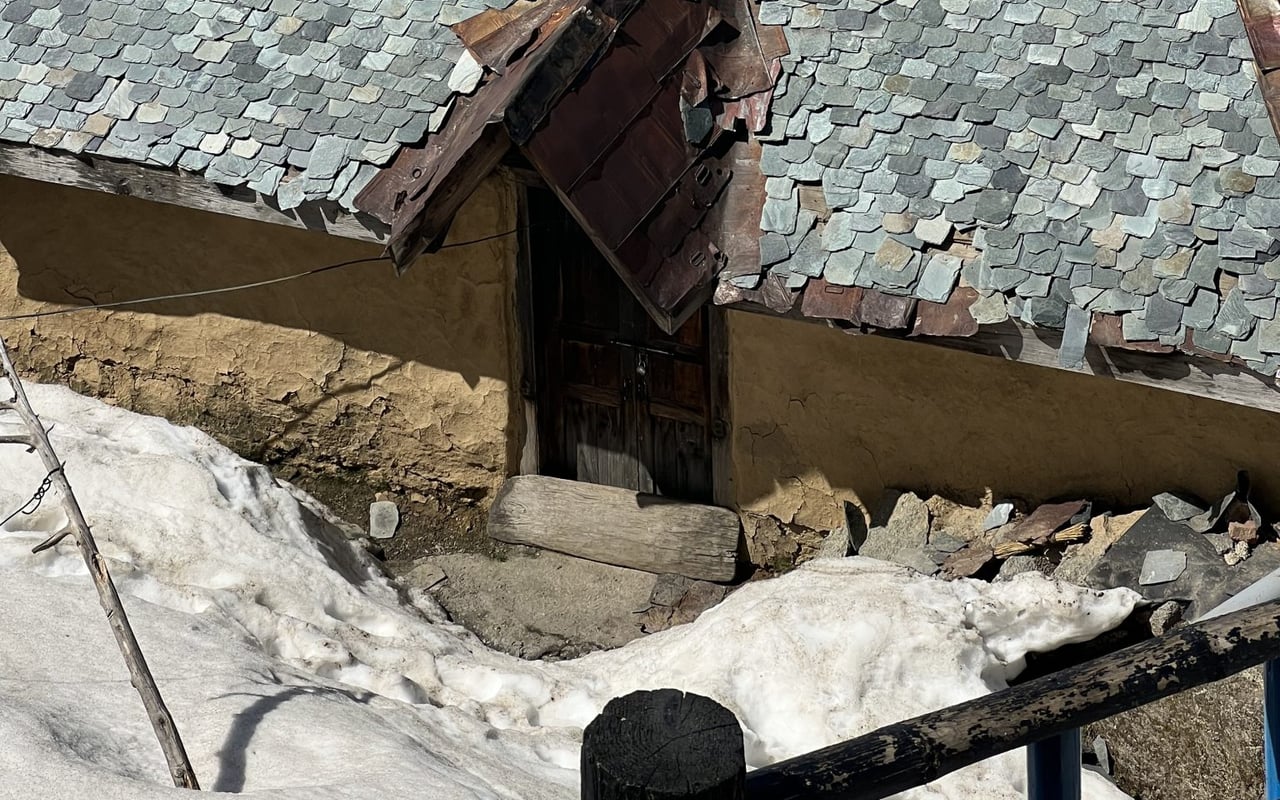
Slate is metamorphic rock. It doesn’t burn, rot, grow moss, or attract insects. It sheds water like a duck and survives freeze-thaw better than anything else. A good slate roof will probably outlast the house under it. The failure points are nail corrosion and the occasional cracked slate from impact. That’s it.
The good:
- Longest lifespan of any roofing material, period
- Virtually zero maintenance
- Fireproof, waterproof, UV-proof
- Adds real architectural value to historic homes
The bad:
- $1,800-$3,500+ per square installed. The most expensive standard option.
- 800-1,500 lbs per square. Your house almost certainly needs reinforcement.
- There are almost no experienced slate installers left.
- Matching replacement slate decades later is a treasure hunt.
- Fragile underfoot. You will break slates trying to walk on them.
Who it’s for: Historic homes where authenticity matters. Owners who plan to die in the house. Anyone for whom budget is a secondary concern.
Who it’s not for: Anyone leaving within 30 years. Anyone who doesn’t want to spend $5,000-$15,000 on structural upgrades first. If you want the look without the weight and cost, synthetic slate (30-50 years) is a practical alternative.
Wood shake and shingle
Real lifespan: 20-35 years. Less if you’re in a humid climate.
Wood looks incredible when it’s new. The problem is keeping it looking good. Cedar needs treatment every 2-4 years. Without it, moisture gets in, the wood warps, and rot sets in. In humid climates, moss and mold colonize wood shakes within a few years.
The good:
- Natural look you can’t fake with synthetics
- Good insulation
- Sustainable if sourced from certified forests
The bad:
- Constant maintenance - you’ll be treating, cleaning, and replacing individual shakes every few years
- Fire risk. Banned or restricted in many wildfire-prone jurisdictions.
- Rot, mold, moss, and insects love it
- Costs more than asphalt but lasts less time in many conditions
- Building codes are actively phasing it out
Who it’s for: Dry climates like the high desert. Cottage and rustic architecture. Homeowners who genuinely enjoy maintaining their roof.
Who it’s not for: Anyone in a wildfire zone. Anyone in a humid climate. Anyone who doesn’t want a roof that demands regular attention. In California, Colorado, Oregon, and Washington, wood shake is increasingly prohibited by code anyway.
Flat roofing: EPDM and TPO
Low-slope and flat roofs (pitch under 2:12) use membranes, not shingles.
EPDM (black rubber membrane): 15-25 years. $500-$900 per square. Handles thermal expansion well, but the black surface absorbs heat - bad for cooling costs in sunny climates.
TPO (white heat-welded membrane): 18-25 years. $550-$1,000 per square. The reflective surface cuts cooling costs. Heat-welded seams are strong. This is the dominant flat-roof choice for new construction.
The real issue with flat roofs: The material matters less than the installer. A poorly welded TPO seam or a badly glued EPDM joint leaks in year 5. Flat roofs are unforgiving of bad work. Hire someone who does flat roofs every day, not someone who mostly does shingles and takes flat work on the side.
What actually moves the needle on lifespan
The table at the top assumes average installation and reasonable care. These things change the numbers:
- Installation quality: A meticulous mid-grade installation beats a sloppy premium installation every time. This matters most for metal flashing, tile underlayment, and flat membrane seams.
- Attic ventilation: Bad ventilation turns your attic into an oven - 140-160°F in summer. That can cut asphalt lifespan by 30-40%. Metal and tile don’t care as much.
- Climate: Hot sun chews up asphalt. Freeze-thaw cracks tile. High wind peels 3-tab first. Hail dents metal and breaks slate. Pick your material based on where you live.
- Maintenance: Cleaning gutters, pulling moss, and doing post-storm inspections adds 3-7 years to asphalt and wood. Metal and slate are more forgiving but still benefit from annual checks.
If you are trying to stretch an existing roof safely, start with the roof maintenance guide, the homeowner roof inspection checklist, and the guide to extending roof lifespan.
The 50-year cost reality
The cheapest install is not the cheapest over the life of your home.
| Material | Upfront (2,000 sq ft home) | Replacements in 50 years | Estimated 50-year cost |
|---|---|---|---|
| Asphalt 3-tab | $8,000-$13,000 | 3 | $30,000-$45,000 |
| Architectural asphalt | $11,000-$18,000 | 2 | $28,000-$42,000 |
| Standing seam metal | $22,000-$40,000 | 0-1 | $24,000-$45,000 |
| Clay tile | $17,000-$34,000 | 1 underlayment | $22,000-$42,000 |
| Natural slate | $36,000-$70,000 | 0 | $38,000-$75,000 |
| Wood shake | $17,000-$28,000 | 2 + ongoing maintenance | $38,000-$60,000 |
| EPDM flat | $10,000-$18,000 | 2-3 | $28,000-$48,000 |
| TPO flat | $11,000-$20,000 | 2 | $26,000-$44,000 |
Standing seam metal and clay tile often cost the same over 50 years as repeatedly replacing asphalt - and you never deal with a tear-off project. That’s worth something.
When the “best” material is actually the wrong one
Don’t buy metal if you’re moving in 7 years. You’ll pay the premium and leave it for the next owner.
Don’t buy slate if your house wasn’t built for the weight. Structural reinforcement can cost $5,000-$15,000 before a single slate goes on.
Don’t buy wood shake if your county bans it, your insurer won’t cover it, or you live somewhere humid. You’ll hate yourself at year 12.
Don’t buy tile if you deal with hard freeze-thaw winters. You’ll be replacing cracked tiles every spring.
Don’t buy EPDM if your flat roof gets direct sun all day. The energy savings from TPO’s reflective surface will offset the modest price difference within a few years.
Match the material to your real constraints - budget, climate, structure, how long you’re staying, and what your local code allows. Ignore the magazine rankings. Ignore the warranty hype. Look at what actually happens on real roofs in your neighborhood.
Once your roof is near the end of its range, compare the symptoms in signs you need a new roof with the repair math in roof repair vs. replacement before you spend money on another patch.
Frequently asked questions
Which roofing material lasts the longest?
Natural slate, by a wide margin - 75-150 years. Standing seam metal is second at 40-70 years. Clay tile tiles last 50-100 years, but the underlayment beneath them fails at 20-30 years and requires a full teardown to replace.
Do roof warranties match real-world lifespan?
Almost never. A “30-year” architectural shingle delivers 22-30 years in practice. A “50-year” metal roof is more likely to hit its number because metal degrades more slowly and predictably. Warranties cover manufacturing defects, not normal wear from sun, wind, and weather.
Is metal roofing worth the extra cost?
It depends entirely on your timeline. If you’re staying 15+ years or live in a high-wind, wildfire, or extreme-heat zone, yes - it pays for itself in avoided replacements, lower maintenance, and energy savings. If you’re selling inside of 10 years, asphalt is the better financial move.
How long do flat roofs last compared to pitched roofs?
Flat membranes (EPDM, TPO) typically last 15-25 years - about the same as 3-tab asphalt and shorter than any pitched option. Pitched roofs shed water and debris naturally, giving you more material choices and longer lifespans across the board.
Can I get 30 years out of asphalt shingles?
Technically possible, practically unlikely. You’d need perfect installation, ideal climate, and excellent attic ventilation. Most homeowners get 20-25 years. Budget for replacement at 20, and anything beyond that is a bonus.
What’s the cheapest material over the long term?
Standing seam metal and clay tile have the lowest cost per year over 40+ years because you only install them once. Over 15 years or less, architectural asphalt is the cheapest per year. The expensive material is the one you have to replace twice.
Are synthetic slate and shake worth considering?
Yes, as a compromise. Synthetic slate (30-50 years) weighs a fraction of natural slate, needs no structural reinforcement, and costs less. Synthetic shake outperforms real wood in durability and maintenance. Neither matches the authentic material’s lifespan or appearance up close, but both are practical alternatives for most homeowners.